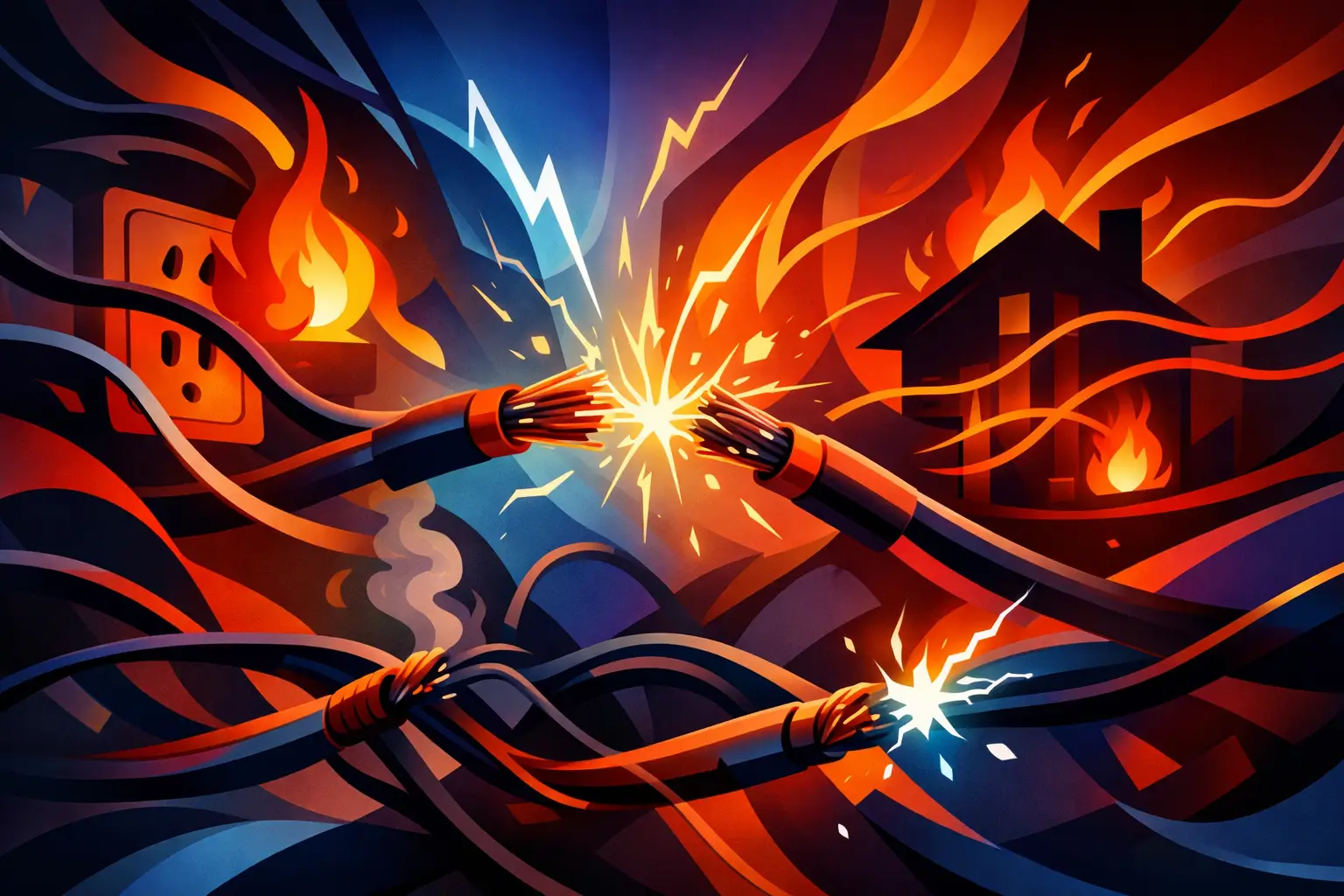
You usually do not get a big warning before wiring becomes a real safety problem. It starts with a breaker that trips once in a while, a switch plate that feels warm, or lights that flicker when the microwave kicks on. If you are wondering how to spot unsafe wiring, the goal is not to diagnose every electrical issue yourself. It is to catch the red flags early enough to protect your home, your building, and the people inside it.
Unsafe wiring is not always dramatic. Sometimes the signs are subtle, and that is what makes them easy to ignore. A lot of property owners put up with small electrical problems for months because everything still “mostly works.” That is where trouble starts.
How to spot unsafe wiring before it gets worse
The first thing to pay attention to is heat. Electricity naturally creates some warmth, but outlets, switches, breaker panels, and cords should not feel hot to the touch. Warmth around one device might point to a loose connection, an overloaded circuit, or damaged wiring behind the wall. If you feel heat or see discoloration, stop using that fixture or outlet and have it checked.
Next is smell. A burning odor, especially one that smells like melting plastic, is never something to wait on. The source is not always obvious because damaged wiring can sit behind drywall, above ceilings, or inside an electrical panel. If the smell comes and goes, that does not make it less serious. In many cases, it means the problem is active only when a certain circuit is under load.
Lights also tell you a lot. Occasional flickering from a bad bulb is one thing. Lights that dim when an appliance starts, flicker across multiple rooms, or brighten unexpectedly can point to unstable wiring, poor connections, or a panel issue. In older homes, this can show up when the AC turns on or when several devices run at once. In commercial buildings, it may happen when equipment cycles on and off.
Breakers matter too. A breaker that trips once after a clear overload is not unusual. A breaker that keeps tripping without an obvious reason is a warning sign. Resetting it over and over is not a fix. It is your electrical system telling you something is wrong.
The most common warning signs inside a home or building
Some unsafe wiring signs are visible, and some are more about behavior. Sparks when plugging something in, buzzing sounds from outlets or switches, and outlets that no longer hold plugs tightly all deserve attention. A plug should fit firmly. If it slips out or feels loose, the outlet may be worn out, and worn outlets can create arcing.
You should also watch for two-prong outlets in areas where modern grounded outlets would be expected, especially if the property has had partial upgrades over the years. Older wiring is not automatically unsafe, but old systems are more likely to have outdated materials, missing grounding, or circuits that were never designed for current electrical demand.
Another common issue is extension cord overuse. One power strip behind a desk is not unusual. A setup where multiple extension cords, adapters, and splitters are being used as a permanent wiring plan is a problem. That usually means there are not enough properly placed outlets for how the space is being used. The wiring itself may be fine, or it may already be overloaded. Either way, it deserves a closer look.
If you own a rental, manage a commercial space, or have an older home that has been remodeled several times, pay attention to signs of patchwork electrical work. Mismatched switches, dead outlets, faceplates that do not sit flush, exposed splices, or wires entering boxes in odd ways can all point to past work that was rushed or done without proper standards.
What unsafe wiring can look like around the panel
Your electrical panel is one of the best places to catch trouble early, but it is also one place you should treat carefully. You do not need to remove the cover to spot obvious issues. Rust on the panel, scorch marks, a buzzing noise, repeated breaker trips, or breakers that will not stay reset are all reasons to call an electrician.
You may also notice labels that do not match what the breakers control, missing knockouts, or signs that the panel has been expanded beyond what it was designed to handle. In homes and businesses that added EV chargers, HVAC equipment, shop tools, or more lighting over time, panel capacity becomes a real issue. Unsafe wiring is sometimes less about one bad wire and more about a system that is being asked to do too much.
That is especially true in older Inland Empire properties where additions, garage conversions, and outdoor upgrades were added in stages. If the wiring was modified over the years without a full evaluation of the panel and circuit loads, hidden issues can stack up.
Signs behind the walls that people miss
Not every warning sign is right in front of you. Sometimes the clues are indirect. You may hear a faint crackling sound in a wall. You may notice one room loses power while the breaker does not trip. You may have a switch that works only if you press it a certain way, or a light fixture that cuts out when the wall vibrates from a closing door.
Those are not quirks. They often suggest loose connections or deteriorating components. Electrical problems that seem random are often the ones that need the fastest attention because loose wiring can arc before it fails completely.
Rodents can also create hidden wiring hazards. In attics, crawl spaces, and garages, chewed insulation on wires is a real issue. So is damage from water intrusion. If a roof leak, plumbing leak, or exterior moisture problem has affected an area with wiring, the electrical system in that area should be evaluated. Water and damaged wiring are a bad combination every time.
When it depends on the age of the property
Age alone does not tell the whole story, but it does change the odds. A well-maintained older home can be safer than a newer property with poor workmanship. Still, older buildings are more likely to have aluminum wiring, ungrounded circuits, outdated panels, worn insulation, or DIY modifications hidden behind finished walls.
If your property was built decades ago and has never had a serious electrical update, small symptoms deserve more respect. The same flicker or warm outlet that might trace back to a simple repair in one home could point to a broader rewiring or panel issue in another. That is why electrical safety is never one-size-fits-all.
Commercial and industrial spaces have their own version of this problem. Equipment gets added, tenants change, layouts shift, and power demand grows. If the wiring did not grow with the building, warning signs start showing up in nuisance trips, unreliable equipment, and overheated circuits.
What not to do when you suspect unsafe wiring
Do not keep resetting breakers and hoping the issue clears up. Do not ignore a burning smell because it disappears. Do not swap in a larger breaker to stop trips. That can make a dangerous condition worse by allowing the wiring to carry more current than it was built for.
It is also smart not to open walls, poke into outlets, or remove a panel cover unless you are qualified to work on electrical systems. A lot of electrical hazards are not visible until the system is under load, and what looks simple can turn serious fast.
The practical move is to stop using the affected outlet, switch, appliance, or circuit if you can do so safely. Then have the system inspected by a licensed electrician who can test the wiring, connections, grounding, and panel conditions properly.
When to call right away
Some signs can wait a day for a scheduled visit. Others should be treated as urgent. Call right away if you have a burning odor, visible sparks, smoke, scorched outlets, repeated power loss on the same circuit, buzzing from the panel, or any sign of heat around breakers, outlets, or switches.
If a property has recently flooded, had a roof leak near electrical components, or lost power and came back with unusual electrical behavior, that also deserves immediate attention. The same goes for businesses where unsafe wiring may affect customers, tenants, employees, lighting, refrigeration, or critical equipment.
At that point, speed matters, but so does getting the answer right. You want the issue identified clearly, explained in plain language, and repaired with written approval before work starts. That is the kind of straightforward service people expect from a local electrician, and it is exactly why many property owners call All City Electrical and Lighting when something does not feel right.
Electrical issues rarely fix themselves, and the smaller warning signs are often the cheapest time to act. If something smells hot, sounds wrong, trips often, or feels warmer than it should, trust that instinct and get it checked before it turns into a much bigger problem.