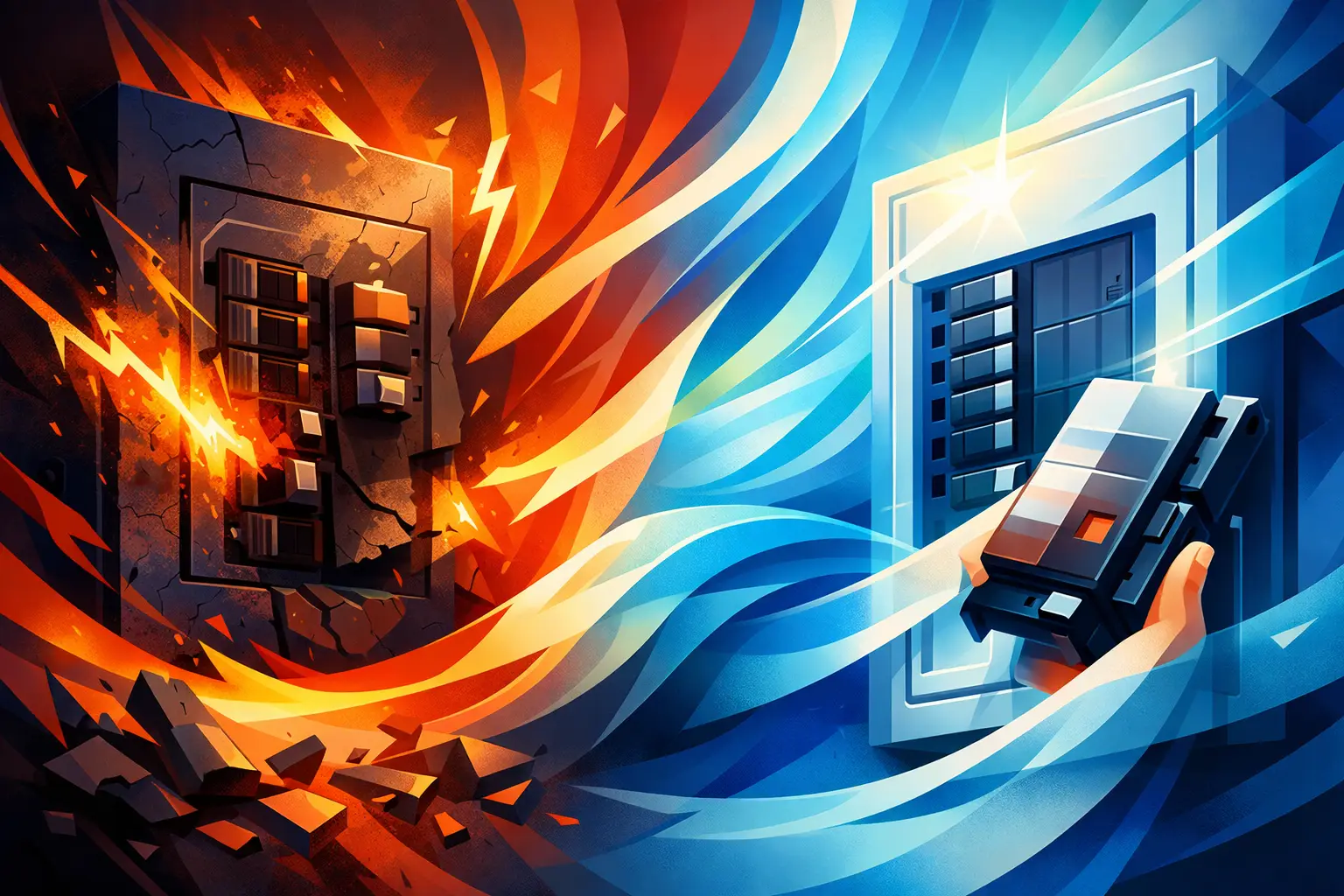
If your lights flicker when the AC kicks on, breakers trip for no clear reason, or your building still has an older electrical panel, the question stops being theoretical. Homeowners and property managers often ask when should a panel be replaced, and the honest answer is this – sooner than most people think when safety, capacity, or reliability starts slipping.
A panel is the control center for your electrical system. When it is doing its job, you barely notice it. When it starts failing, you notice it everywhere: appliances acting up, nuisance breaker trips, hot outlets, buzzing sounds, or power problems that keep coming back after quick fixes. In some cases, replacement is not just a smart upgrade. It is the safer move.
When should a panel be replaced instead of repaired?
A lot of panel issues can be repaired. A bad breaker, a loose connection, corrosion on a terminal, or a damaged bus bar may be isolated problems. But there is a point where putting more money into an old or undersized panel stops making sense.
If the panel is outdated, damaged, overloaded, or tied to known safety concerns, replacement is usually the better long-term decision. Repairs may buy time, but they do not always solve the core issue. If your electrical demand has outgrown the panel, a repair will not create more capacity. If the panel has age-related wear or internal heat damage, swapping one part may still leave you with an unreliable system.
That is why a good electrician should not jump straight to replacement or push a cheap patch without explaining the trade-off. The real question is whether the panel can still safely serve the property you have now, not the property you had twenty years ago.
The biggest signs your panel may need replacement
One of the clearest red flags is frequent breaker tripping. A breaker that trips once in a while may be doing its job. A panel that trips repeatedly under normal use is telling you something. Either circuits are overloaded, breakers are worn out, or the panel can no longer handle the electrical load.
Another sign is flickering or dimming lights, especially when large appliances start up. That can point to load imbalance, loose connections, or capacity problems inside the panel. If your microwave, HVAC system, dryer, or EV charger affects power elsewhere in the building, the system may be stretched too thin.
Heat is another warning sign you should never ignore. If the panel feels warm, smells burnt, shows discoloration, or makes buzzing or crackling sounds, have it inspected right away. Electricity should not smell hot. Panels do not fix themselves.
Rust, corrosion, or moisture inside the panel is also a serious concern. Water and electrical equipment do not mix, and corrosion can affect terminals, breakers, and bus bars. Even if the panel still works today, internal deterioration can create unreliable performance and real safety hazards.
Age matters too. Many older panels were installed when homes used far less power. A property that once had a few lights, a refrigerator, and a window AC may now have central air, multiple TVs, home office equipment, kitchen appliances, garage tools, and EV charging. The panel may still turn on, but that does not mean it is right for modern use.
Old panel brands and obsolete equipment
Sometimes the issue is not just age. It is the type of panel.
Certain older panel brands have developed a reputation for breaker failure or poor trip performance. If your building has obsolete equipment or a panel with known safety concerns, replacement is often the most responsible recommendation. Even if the panel appears to be working, the risk is that a breaker may not trip properly during an overload or short.
That is one of those situations where waiting can cost more than acting. You are not replacing the panel because it looks old. You are replacing it because the protection it is supposed to provide may not be dependable when it matters most.
When should a panel be replaced for more power?
Sometimes the panel is not failing. It is just too small.
If you are remodeling, adding square footage, upgrading your HVAC system, installing a hot tub, replacing a gas range with electric, or adding an EV charger, your existing panel may not have enough amperage or breaker space. In that case, replacement is about capacity, not damage.
This comes up often in older homes and small commercial buildings. The property was built for a lower electrical load, and each new improvement puts more strain on the system. You can only add so many tandem breakers or workarounds before the smarter answer is a panel upgrade.
For businesses, the same logic applies. If a warehouse adds equipment, an office expands server or workstation use, or a tenant improvement changes electrical demand, the panel may need replacement to safely support the new load. That is especially true if downtime, tripping breakers, or uneven power starts affecting operations.
Safety issues that should never be ignored
There are some signs that should move the issue from your to-do list to your call-now list.
If a breaker will not reset, if there is visible melting around breakers or wiring, if part of the panel has lost power, or if you smell burning near the electrical room or garage panel, stop using affected circuits and get it checked right away. These symptoms can point to internal arcing, failed breakers, damaged bus bars, or other conditions that can escalate fast.
The same goes for panels that have been exposed to flooding, roof leaks, irrigation overspray, or storm-related water intrusion. A panel may seem fine after drying out, but hidden corrosion can continue causing problems over time.
For landlords and facility managers, ignoring these signs can also turn into a liability issue. If tenants have already reported repeated power problems, warm outlets, or breaker failures, that is not a cosmetic complaint. It is a warning.
Repair vs. replacement comes down to value
A lot of people understandably want to know whether they can repair the panel and avoid the cost of replacement. Sometimes that is the right call. If the panel is newer, correctly sized, and the problem is isolated, a repair can be cost-effective.
But if the panel is old, undersized, obsolete, or showing multiple symptoms, replacement usually gives you better value. You are not just paying for new equipment. You are paying for safer operation, room for future circuits, more reliable power, and fewer repeat service calls.
That matters for homeowners who are tired of nuisance trips and for business owners who cannot afford interruptions. A cheaper repair today can end up costing more if it delays the upgrade you were always going to need.
What to expect during a panel replacement
Panel replacement is not guesswork. A licensed electrician should inspect the existing service, evaluate load needs, check grounding and bonding, and look at the condition of related equipment like the meter box, service entrance conductors, and subpanels.
Depending on the property, the job may involve a like-for-like replacement, an amperage upgrade, code updates, or coordination with the utility. The details matter. A good installation is not just about swapping boxes on the wall. It is about making sure the whole system is safe, properly sized, and cleanly labeled so future troubleshooting is easier.
For customers, the best experience is a straightforward one: clear diagnosis, written approval before work begins, and no surprises halfway through the job. That is especially important during urgent panel failures, when stress is already high and you need answers fast.
The right time is earlier than a full failure
Many people wait until the panel completely fails before replacing it. That is understandable, but it is not ideal. Full failure often means emergency downtime, spoiled food, uncomfortable indoor temperatures, interrupted business, and a more stressful repair process.
A better time to replace a panel is when the warning signs start stacking up. Repeated trips, visible wear, limited capacity, burning smells, old equipment, and planned electrical upgrades are all good reasons to have the panel evaluated before it becomes an emergency.
If you are in Riverside County, San Bernardino County, or nearby Inland Empire communities and your panel has been acting up, getting it checked now can save you a lot of trouble later. All City Electrical and Lighting handles panel problems every day, and that kind of experience matters when safety and reliability are on the line.
The bottom line is simple: if your panel is struggling to keep up, showing signs of damage, or leaving you unsure about safety, that is already enough reason to take it seriously. A dependable electrical system should not make you wonder whether the next breaker trip is just annoying or something worse.