Need a Landscape Lighting Electrician?

Need a Landscape Lighting Electrician?

The difference between a yard that looks finished and one that disappears after sunset usually comes down to one thing – lighting done right. A skilled landscape lighting electrician can turn dark walkways, patios, trees, entry points, and outdoor living areas into safer, better-looking spaces without creating electrical problems later.

A lot of property owners start with the look. They want to highlight a front yard, light up a backyard for guests, or make a business exterior feel more secure. That makes sense. But outdoor lighting is not just a design choice. It is an electrical job exposed to weather, irrigation, foot traffic, and time. If wiring, transformers, connections, or fixture placement are handled poorly, the problems show up fast.

What a landscape lighting electrician actually does

A landscape lighting electrician handles more than fixture installation. The job starts with understanding how the lighting will be used, where power should come from, and what type of system makes the most sense for the property. Some projects are simple path lights and accent lights. Others involve full outdoor lighting plans for driveways, gardens, pool areas, parking lots, monument signs, and building perimeters.

The electrical side matters more than most people realize. Outdoor lighting needs safe power distribution, proper load planning, correct wiring methods, and weather-resistant connections. If a system is tied into an existing circuit without enough capacity, or if the wrong components are used outside, you can end up with tripped breakers, dead sections of lighting, nuisance failures, or real safety risks.

A qualified electrician also looks at the condition of the electrical system feeding the new lights. On some properties, especially older homes and buildings, the outdoor lighting plan is only as good as the panel, subpanel, or branch circuit supporting it. That is why experienced contractors look at the full picture instead of just planting fixtures in the dirt and calling it done.

Why hiring a landscape lighting electrician matters

Plenty of outdoor lighting products are sold as easy weekend upgrades. Some are. Many are not. The problem is that outdoor electrical work gets underestimated because the fixtures look small and the voltages may be lower than standard indoor circuits.

That is where homeowners and property managers can get burned. Low-voltage lighting still depends on proper transformer sizing, wire runs, connection quality, and layout. Line-voltage landscape lighting raises the stakes even more. Add moisture, digging, concrete, tree roots, and irrigation systems, and a quick install can turn into a repair job.

A landscape lighting electrician helps you avoid common failures like lights that dim at the end of the run, systems that stop working after rain, timers that do not behave properly, and fixtures placed in spots that create glare instead of visibility. Good outdoor lighting should feel clean and intentional. It should not leave you chasing the same problem every few months.

There is also the question of code compliance and long-term safety. Outdoor wiring methods are different for a reason. Proper burial depth, approved materials, GFCI protection where required, and weather-rated enclosures are not details to gloss over. They are what keep a lighting upgrade from becoming a hazard.

The best landscape lighting projects balance looks and function

The strongest outdoor lighting plans do two jobs at once. They improve how the property looks, and they improve how the property works after dark.

For a home, that often means lighting the walkway to the front door, steps in the backyard, side-yard access, patio seating, and key architectural features. A homeowner may also want softer accent lighting around trees, planters, or retaining walls. The right result feels natural, not overlit.

For a commercial property, the priorities can shift. Business owners and facility managers may care more about perimeter visibility, customer approach paths, signage, loading zones, parking areas, and after-hours security. In those cases, lighting has to support both appearance and liability reduction. Too little light can create safety concerns. Too much light in the wrong place can create glare, complaints, and wasted energy.

That is why fixture selection and placement matter. It depends on the property, the use of the space, and the condition of the existing electrical infrastructure. There is no one-size-fits-all layout that works everywhere.

Signs your outdoor lighting needs professional attention

Sometimes the issue is not a new installation. It is an existing system that never worked the way it should. If lights flicker, stop working in sections, trip a breaker, come on at random times, or fail after irrigation runs, it is time to have the system checked.

You may also need help if fixtures are old and corroded, if the transformer hums or overheats, or if previous work left exposed splices and loose wiring. These are common problems in outdoor systems that were installed quickly or patched over multiple times.

Another sign is when the property simply does not feel usable at night. Dark stairs, shadowed side yards, poorly lit entrances, and uneven pathways are not just inconvenient. They can become safety issues for family, guests, tenants, customers, or employees.

What to expect from a professional installation

A solid outdoor lighting job starts with a real evaluation, not a guess from the curb. The electrician should look at the property layout, existing power sources, panel capacity if relevant, desired coverage, and any trouble spots that need extra attention.

From there, the plan should be clear. You should know what is being installed, where it will go, how it will be powered, and what the cost is before work starts. That matters because outdoor electrical jobs can expand quickly if hidden problems show up. Honest contractors explain that upfront and get written approval before moving forward.

Installation should also be clean. Wires should be protected and properly routed. Connections should be made for outdoor conditions. Fixtures should be aimed with purpose, not scattered around. And when the work is done, the area should not look like a trenching project was abandoned in your yard.

At All City Electrical and Lighting, that practical approach is a big part of what customers want. Fast response matters, but so does doing the job safely, pricing it clearly, and leaving the property clean when the work is finished.

Repairs, upgrades, and full replacements

Not every outdoor lighting call is about starting from scratch. Some customers need troubleshooting because part of the system has gone out. Others want to upgrade older fixtures, replace damaged wiring, add controls, or extend lighting into a new patio or landscape area.

Repairs can be straightforward, but sometimes they uncover a bigger issue. A failed fixture may really be a transformer problem. A dead zone may trace back to a damaged underground run. Repeated lamp failures may point to voltage drop, poor connections, or water intrusion. This is why it helps to have an electrician who can diagnose the electrical cause, not just swap parts and hope.

Full replacements make sense when the existing system is pieced together, unreliable, or based on outdated components. In those cases, replacing the system may cost more upfront but save money and frustration over time.

Choosing the right electrician for outdoor lighting

If you are hiring for landscape lighting, look for someone who understands both outdoor lighting performance and electrical safety. Those are not always the same thing. A nice-looking fixture layout means very little if the wiring is wrong, and a technically safe install still falls short if the property ends up with poor visibility or harsh light.

You also want a contractor who communicates clearly. Outdoor lighting projects often involve questions about brightness, fixture location, controls, and future expansion. Straight answers matter. So does transparent pricing.

For customers in Riverside County, San Bernardino County, and nearby Inland Empire cities, response time can matter just as much as workmanship, especially when a failed outdoor lighting system affects security or access. If your lighting problem needs attention now, waiting days for a callback is not much help.

The right outdoor lighting should make your property safer, easier to use, and better to look at every night – not just the week after installation. If you are thinking about adding lights, fixing an unreliable system, or upgrading an older setup, the smartest first step is getting a landscape lighting electrician who treats the job like electrical work first and cosmetic work second. That is usually what makes the results last.

Choosing an Outdoor Lighting Installation Contractor

Choosing an Outdoor Lighting Installation Contractor

A dark front walkway does not feel like a small problem when your family is coming home late, tenants are moving through a property at night, or customers are trying to find your entrance after sunset. That is usually when people start looking for an outdoor lighting installation contractor – not because lighting is decorative, but because safety, visibility, and security matter right away.

Outdoor lighting can make a home feel finished, but the real value is practical. Good lighting helps prevent trips and falls, makes entry points easier to see, improves curb appeal, and gives you better use of patios, driveways, yards, storefronts, and parking areas. For commercial properties, it also affects how professional and secure the site feels after hours.

The challenge is that outdoor electrical work is not something you want done halfway. Fixtures have to be placed correctly, circuits have to be protected, wiring has to hold up to weather, and the final result has to look clean without creating glare or dead spots. That is why hiring the right contractor matters more than picking the fanciest fixture.

What an outdoor lighting installation contractor should actually handle

A qualified contractor should do more than mount a few lights and leave. The job starts with understanding how the space is used. A front yard needs a different lighting plan than a warehouse perimeter. A backyard entertainment area needs a different balance than a side walkway or gated entrance.

For residential properties, that often means path lights, porch and entry lighting, garage and driveway lighting, patio lighting, landscape accent lighting, motion lights, security lighting, and lighting around pools or outdoor living areas. For commercial and industrial sites, the scope may include building exteriors, parking lot lighting, wall packs, pole lights, access points, loading areas, signage illumination, and security-focused coverage.

A true outdoor lighting installation contractor should also evaluate whether the existing electrical system can support the new load. Sometimes the lighting plan is simple and ties into an existing circuit with no issue. Other times, the safer choice is running new wiring, adding controls, upgrading protection, or correcting older electrical problems before new fixtures go in. That is where experience matters. Lighting is not separate from the rest of your electrical system.

Why experience matters more outdoors

Indoor electrical work is protected from weather. Outdoor work is not. Heat, sprinklers, rain, dust, irrigation, sun exposure, and physical impact all change the demands on wiring, boxes, fixtures, and connections. A setup that looks fine on day one can turn into nuisance tripping, water intrusion, or failed lights if the installation was rushed.

This is one reason property owners should be careful about hiring based on price alone. A low quote may leave out proper trenching, weather-rated materials, correct mounting, code-compliant protection, or cleanup. If the installer cuts corners underground or behind walls, you may not know until fixtures start failing or a safety issue shows up later.

A seasoned electrician will also understand placement. Brighter is not always better. Too much output in the wrong spot can create harsh shadows, glare into windows, and wasted power. The goal is useful, balanced light where people need it.

How to choose the right outdoor lighting installation contractor

The best contractor for this job is not just someone who says yes to outdoor lighting. You want a licensed electrical professional who can safely install, troubleshoot, and support the system if problems come up later.

Start with responsiveness. If a company takes days to return a call before the job even starts, that tells you something. Outdoor lighting projects often begin because a customer wants fast improvement around a dark entrance, a damaged exterior fixture, or a property that feels unsafe at night. Clear communication and quick scheduling matter.

Next, pay attention to pricing and approvals. You should know what work is being proposed, what materials are included, and whether any electrical upgrades may be needed before the installation begins. Written approval matters because it removes surprises. No one likes getting to the end of a project and finding charges they never agreed to.

It also helps to ask whether the contractor handles both planned installations and problem-solving. That sounds simple, but it matters. If the new lights expose an older issue like a bad breaker, overloaded circuit, damaged wiring, or a failing switch leg, you want the same company to be able to address it correctly instead of walking away from the larger electrical problem.

Outdoor lighting installation contractor services for homes

For homeowners, the best outdoor lighting usually solves a few specific issues at once. It makes the property safer, improves how the home looks at night, and makes outdoor areas more usable. Front entries and side yards are common starting points because they are high-traffic areas where poor visibility becomes obvious fast.

Driveways and walkways benefit from even, low-glare lighting that guides movement without overpowering the space. Patios and backyards often need a layered approach, with enough light for seating, grilling, or entertaining while still keeping the area comfortable at night. Security lighting around doors, gates, and garage areas can also make a major difference, especially when paired with motion control.

There is also the question of existing conditions. Some homes have aging exterior fixtures, worn switches, bad photocells, or wiring that was added over time without much planning. In those cases, installation is also a chance to clean up old work and make the system more dependable.

What commercial property owners should expect

Business owners and facility managers usually have a different priority list. They want lighting that supports safety, visibility, operations, and appearance without creating ongoing maintenance headaches. A poorly lit parking area, rear loading zone, or exterior corridor is not just inconvenient. It can affect customer confidence, employee safety, and liability concerns.

Commercial outdoor lighting projects also tend to require stronger planning around access, operating hours, and durability. The best solution may depend on how late the site runs, how much vehicle traffic it gets, whether there are security concerns, and how important consistent illumination is across the property.

For some properties, a fixture replacement is enough. For others, the issue goes deeper and involves power supply, pole conditions, photocontrols, timers, circuit capacity, or outdated infrastructure. That is why commercial customers benefit from working with an electrical contractor that understands both lighting and the systems behind it.

What affects cost

Most customers want a straight answer on price, and the honest answer is that it depends on the scope. A few simple fixture installs cost far less than a full-property lighting layout with new wiring, controls, trenching, and electrical upgrades.

The biggest cost factors are usually the number of fixtures, type of fixtures, distance from the power source, difficulty of running wiring, condition of the existing system, and whether permits or repairs are needed. Accessibility also matters. A single-story front entry is different from a large commercial exterior or a yard with hardscape that limits access.

The cheapest option is not always the most affordable over time. If lower-grade fixtures fail early or the installation was done without proper planning, you end up paying twice. Good workmanship usually saves money by reducing callbacks, failures, and repeat labor.

The value of fast, local electrical service

Outdoor lighting work is often scheduled as an upgrade, but not always. Sometimes customers call because lights have stopped working, a parking lot is too dark, a breaker keeps tripping, or an exterior area suddenly feels unsafe. In those situations, speed matters.

That is where a local electrical contractor has a real advantage. A company serving Riverside County, San Bernardino County, and nearby Inland Empire communities can often respond faster, evaluate conditions in person, and get the job moving without the delays that come with bigger, less responsive operations. For customers who want honest pricing, written approval, and work done correctly the first time, that local accountability matters.

At All City Electrical and Lighting, that approach is simple: show up fast, explain the work clearly, price it upfront, and stand behind the installation. That matters whether the job is a few security lights at a home or a larger exterior lighting project for a commercial property.

When it is time to make the call

If you are dealing with dark entry points, unreliable exterior fixtures, outdated lighting, or an outdoor space that does not feel safe or usable after dark, waiting usually does not improve the situation. Lighting problems tend to stay annoying at best and become safety issues at worst.

A good outdoor lighting installation contractor will help you sort out what needs to be replaced, what can be upgraded, and what makes sense for your property and budget. The right plan is not always the biggest one. It is the one that gives you safe, dependable light where you actually need it.

If your property feels one step away from being safer, cleaner, and easier to use at night, that is usually a sign the job is worth doing now, not someday.

Light Switch Repair Service You Can Trust

Light Switch Repair Service You Can Trust

A bad switch has a way of getting ignored right up until the room goes dark, the breaker trips, or you hear that little crackle that should never come from a wall. When that happens, a professional light switch repair service is not just about convenience. It is about safety, speed, and fixing the problem before it turns into something bigger.

Some switch issues seem minor at first. Maybe the light only turns on if you press the switch a certain way. Maybe the plate feels warm. Maybe the switch works sometimes and then stops for no clear reason. Those are the kinds of electrical problems that deserve real attention, not guesswork. A switch is a small device, but it is tied into the wiring behind your walls, and that means the right repair matters.

When to call a light switch repair service

A faulty light switch does not always fail all at once. In a lot of homes and commercial buildings, the warning signs show up early. You may notice flickering lights that are not caused by the bulb. You may hear buzzing, feel looseness in the switch, or see discoloration around the cover plate. In some cases, the switch stops controlling the fixture consistently. In others, it affects nearby outlets or lights on the same circuit.

Those symptoms can point to a worn switch, a loose wire connection, heat damage, or a larger circuit problem. That is why a proper diagnosis matters. Replacing the visible switch without checking what is happening behind it can leave the real issue in place.

Commercial properties often see this in restrooms, offices, break rooms, warehouses, and exterior lighting controls where switches get used constantly. In homes, kitchens, bathrooms, hallways, bedrooms, and outdoor lighting switches are common trouble spots simply because of daily wear. The more often a switch is used, the more likely it is to loosen, fail, or show signs of damage over time.

What causes switch problems in the first place

Sometimes a switch is just old. Internal parts wear out, contacts degrade, and the switch starts failing after years of use. That is the simple version. The more serious version is when the switch is only the symptom.

Loose wiring is one of the most common causes. Connections can shift over time, especially in older properties or places where previous work was done poorly. Backstabbed connections, overloaded circuits, and aging wiring can all create switch problems that keep coming back until the source is corrected.

Moisture can play a role too, especially in bathrooms, kitchens, laundry areas, garages, and outdoor locations. If the wrong type of device was installed in a damp area, corrosion and failure can happen sooner than expected. In commercial settings, vibration, heavy use, and outdated electrical infrastructure can all shorten switch life.

Then there is the DIY factor. A lot of switch issues start after someone replaces a fixture, swaps a dimmer, or tries to update a switch without fully understanding the circuit. The switch may appear installed correctly and still be wired wrong, under-rated, or incompatible with the lighting load.

Why this is not a repair to put off

A switch that does not work is annoying. A switch that sparks, smells hot, or makes noise is a warning. Electrical components fail for a reason, and heat is usually part of the story. Heat leads to damaged insulation, scorched terminals, and an increased fire risk if the issue is ignored.

There is also the inconvenience factor. In a home, one failed switch can affect security lights, bathroom lights, garage lights, or key living spaces. In a business, it can create safety issues for staff and customers, especially in stairwells, exits, work areas, and parking lots. A quick repair today often prevents a more expensive emergency later.

This is where fast response matters. If you are dealing with a switch that has gone dead, is tripping a breaker, or is showing signs of heat damage, waiting days for a callback is not much help. You want an electrician who can show up, identify the problem, explain the fix clearly, and handle it without adding pricing surprises.

What a professional repair should include

A real light switch repair service should start with troubleshooting, not assumptions. The electrician should inspect the switch, test the circuit, and verify whether the issue is isolated to the device or tied to wiring, breaker problems, fixture issues, or load compatibility.

Once the cause is confirmed, the repair should fit the situation. That might mean replacing a standard single-pole switch, correcting loose or damaged conductors, upgrading to the proper dimmer, replacing a failed three-way switch, or addressing heat damage inside the box. If the box is overcrowded, the wiring is deteriorated, or the circuit is unsafe, that should be explained upfront before work begins.

Good service also means clean workmanship. The switch should be mounted properly, the cover plate should sit flush, and the area should be left clean when the job is done. If the repair uncovers a larger electrical issue, you should hear that in plain English, not technical jargon designed to confuse the customer.

That is especially important for property owners and facility managers. You do not need a lecture. You need clear answers, written approval before work starts, and confidence that the problem is being fixed the right way.

Repair or replace – it depends on the setup

Not every switch problem ends with a simple replacement. If the switch is old but the wiring is solid, replacing the device may be all that is needed. If the wiring is overheated, the box is damaged, or the circuit has broader issues, the repair can involve more than the switch itself.

Dimmer switches add another layer. Some older dimmers are not compatible with modern LED lighting, and that mismatch can cause flickering, buzzing, poor performance, or early failure. Three-way and four-way switch setups can also be tricky because the problem may be in one of several devices on the circuit. Smart switches require the right wiring configuration and can create issues if installed where the circuit does not support them.

The honest answer is that cost and scope depend on what is found during testing. The good news is that most switch repairs are straightforward when handled early. The longer the problem is ignored, the more likely it is to spread into wiring repairs, fixture damage, or breaker issues.

Residential and commercial switch repairs need the same thing

Whether it is a house in Corona, a retail space in Ontario, or a warehouse in the Inland Empire, customers want the same basic things. They want someone to answer the phone, show up on time, explain the problem, and do the work safely. They do not want hidden fees, vague pricing, or a temporary patch that fails a week later.

That is why local electrical service matters. A company built around same-day calls and urgent troubleshooting understands that electrical problems do not wait for a convenient time. Fast dispatch, upfront approval, and guaranteed workmanship are not extras when the issue involves something as basic as turning the lights on. They are part of doing the job right.

All City Electrical and Lighting serves homeowners and businesses that need that kind of dependable response. The work may be as simple as replacing a bad switch or as involved as finding a deeper wiring problem, but the expectation stays the same – honest service, no wasted time, and repairs done correctly.

What to do if your switch is acting up right now

If a switch feels hot, makes a buzzing sound, sparks, or has a burning smell, stop using it and call an electrician as soon as possible. If it controls an important light and starts failing intermittently, do not assume it will hold out. Electrical problems rarely fix themselves.

If the issue is just a loose plate or a switch that feels slightly worn, it may not be an emergency, but it is still worth getting checked before it gets worse. Small electrical problems have a habit of becoming expensive when they are ignored.

A good repair is not just about restoring power to one room. It is about making sure the wiring behind that wall is safe, the device is right for the load, and the fix will last. That peace of mind matters a lot more than the cost of one service call.

When a switch starts giving you trouble, trust what it is telling you. Electrical systems usually give warnings before they fail completely, and the smart move is to deal with them while the repair is still simple.

Electrical Panel Box Corona CA. Homes

upgrade electrical Panel

Understanding Your Home’s Electrical Panel Box in Corona, CA. 

You plug in your new refrigerator and turn it on. The lights in your kitchen promptly shut off and the digital clocks on your appliances disappear. Is it a power outage?

Nope, it’s probably a tripped breaker. Breakers are the safety switches that automatically shut off power to part of your home when the electrical circuit overloads. Homes have many breakers, and they all live together in the electrical panel — the “brain” of your home’s electrical system.

Here’s our complete guide to home electrical panels:


What is an electrical panel?

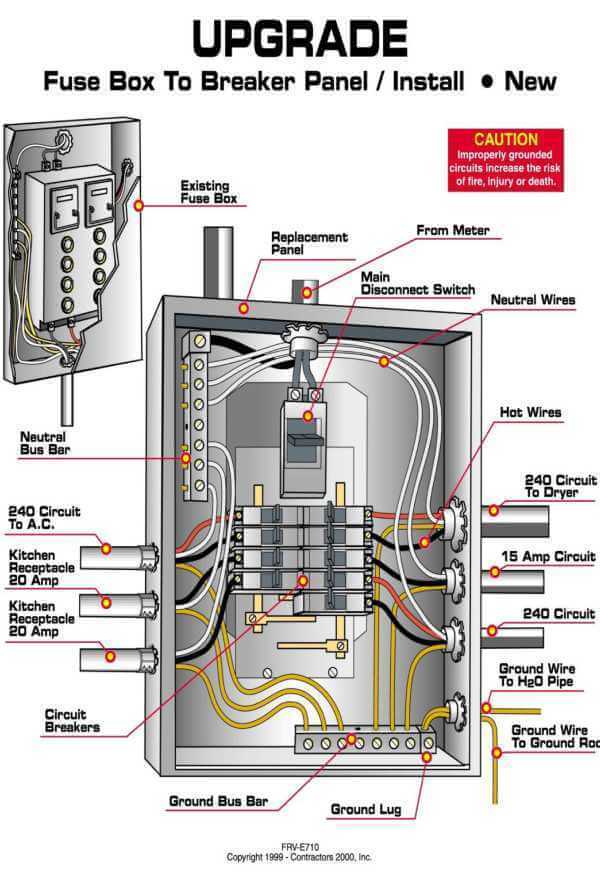
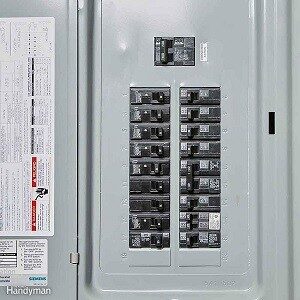
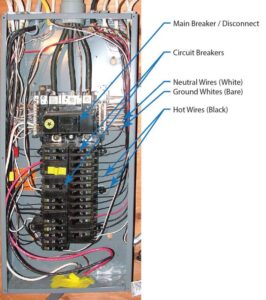
An electrical panel (a.k.a. breaker panel) is a metal box with a door, usually built into a wall in an out-of-the-way corner of your home. Inside, you’ll find all your home’s breaker switches.

You can turn breaker switches on and off. They’ll also shut off automatically when there’s too much electrical current running through them — the reason you have them.

Within the electrical panel, you’ll find a main circuit breaker that controls the power to the entire house. You’ll also see individual breakers, each responsible for providing the electricity to a specific part of your home. Each breaker should have a label that identifies the area of the house it controls.

Some older homes don’t have breakers; they have fuses instead. If you have a fuse box, you won’t see any switches on your electrical panel; you’ll see screw-in fuses. If your home still uses a fuse box, you may have difficulty getting insurance, or you may have to pay a higher rate. 

The power to your home comes through an electrical meter outside, which routes power to your electrical panel. You can shut off this main feed of electricity using the main breaker in your electrical panel. Your main breaker also tells you the amperage of your electrical service (amperage is the strength of the electrical current).

electrical panel box
electrical panel upgrades
Call Now